
Search for anything.
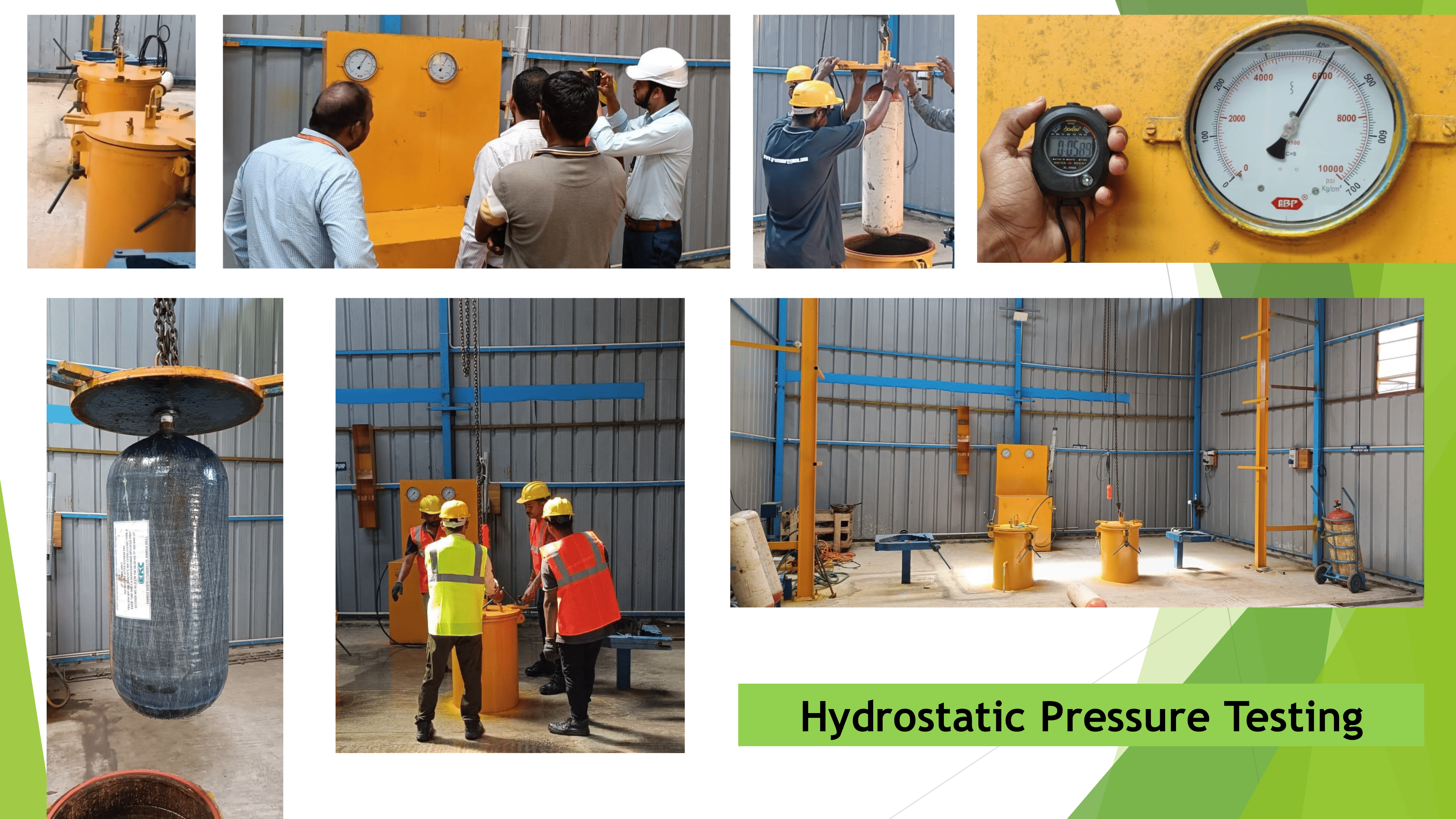
With rising fuel prices and growing environmental concerns, many vehicle owners in India are switching to dual-fuel vehicles that operate on both petrol and Compressed Natural Gas (CNG). While CNG offers cost savings and lower emissions, it also operates under high pressure—making safety inspections like hydro testing for CNG cylinders absolutely essential.
Hydro testing is a critical safety procedure designed to ensure the structural integrity of high-pressure cylinders and prevent potential leaks or failures.
Hydro testing (hydrostatic testing) is a safety process used to evaluate the strength and durability of high-pressure cylinders. In this test:
If the cylinder passes the test, it is certified safe for continued use.
CNG cylinders operate at extremely high pressures (up to 200–250 bar). Over time, factors such as:
can weaken the cylinder. Without regular hydro testing, these issues may go unnoticed and pose serious safety risks.
In India, it is mandatory for CNG cylinders to undergo hydro testing every 3 years. This regulation is implemented to maintain road safety and prevent accidents caused by cylinder failure.
Vehicle owners must ensure their CNG cylinder is tested at authorized testing centers and certified before continuing to use it.
Many vehicles in India are retrofitted with CNG kits alongside existing petrol engines. These dual-fuel vehicles use:
Even though hydro testing applies directly to the CNG system, it indirectly affects the overall safety of the dual-fuel vehicle. A compromised CNG cylinder can endanger passengers, damage the vehicle, and pose serious road hazards.
While hydro testing is mandatory every 3 years, you should also seek inspection if you notice:
Regular inspection ensures safe and smooth vehicle operation.
Hydro testing not only protects passengers but also supports environmental responsibility. By maintaining a safe and leak-free CNG system, you:
CNG remains one of the cleanest automotive fuels available in India, but proper maintenance is key to safe operation.
Delaying hydro testing can:
Timely testing ensures compliance with Indian transport regulations and keeps your dual-fuel vehicle safe for everyday use.
Hydro testing is a vital safety procedure for CNG-powered and dual-fuel vehicles in India. While petrol systems do not require this testing, the CNG cylinder must undergo hydro testing every three years to maintain structural integrity and prevent dangerous failures.
If you own a CNG or dual-fuel vehicle, ensure your hydro testing is done at an authorized center and keep your certification up to date. Regular maintenance not only ensures safety but also enhances performance, fuel efficiency, and peace of mind on the road.
We offer cost savings, environmental benefits, tax incentives, & efficient fuel consumption for companies.






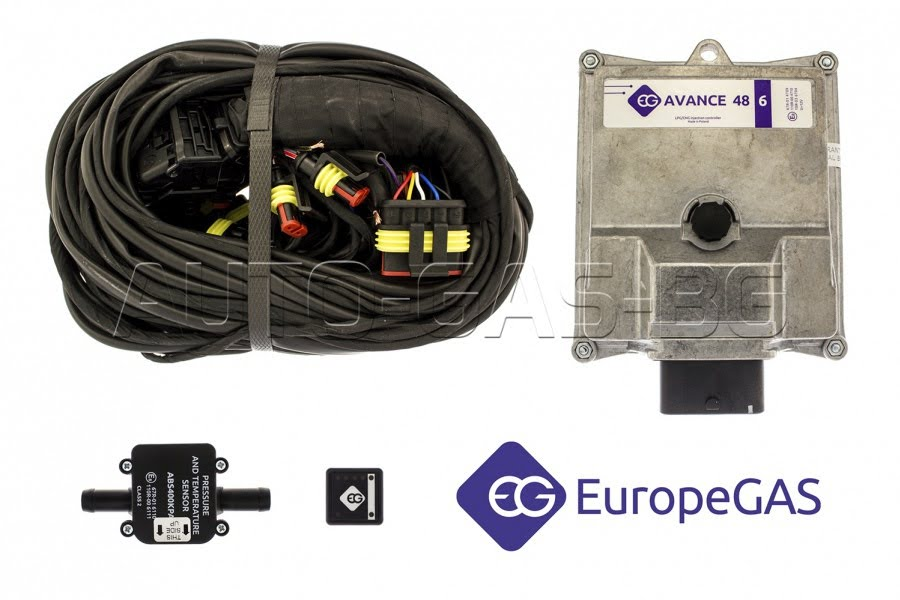
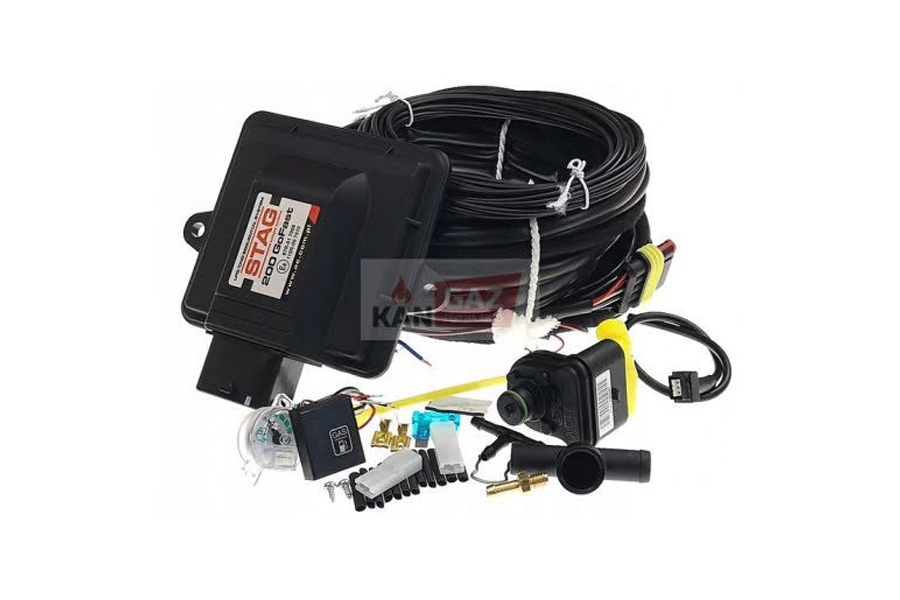
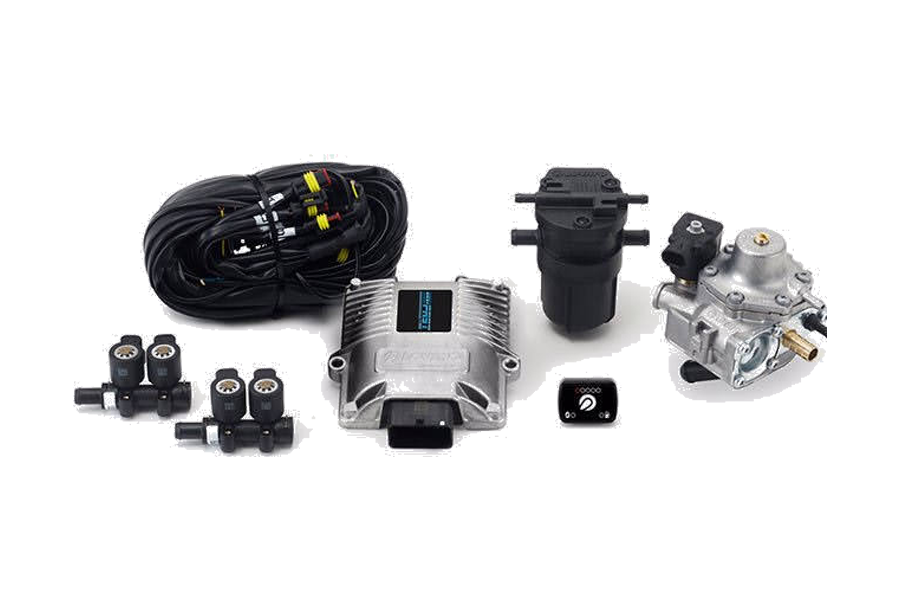
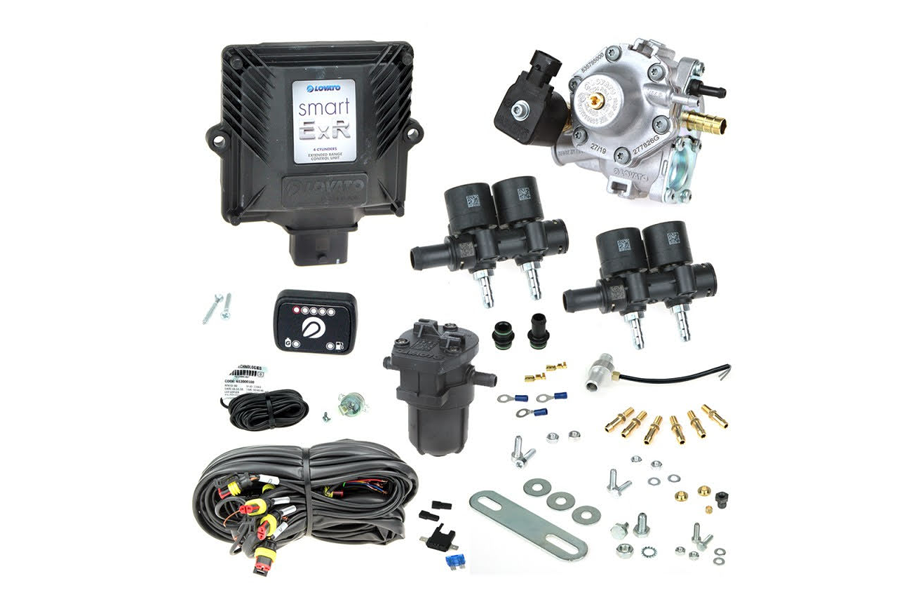
There are a number of advantages of using Sequential CNG kits but the biggest advantage is that you get better performance and mileage from your vehicle through a more controlled CNG injection. However, there is usually about a 15 percent drop in performance on account of CNG having lower combustibility and higher octane rating when compared to petrol. This means that CNG performs a lot better on high-compression vehicles rather than regular ones.
Sequential CNG kits are considered the better option when it comes to automobile installation as they control the gas flow through the injectors fitted alongside the petrol injectors in the manifold. There is also a separate ECU for the CNG kits which electronically control and monitor the amount of gas pushed into the engine. While Sequential CNG kits are the better option, they can only be installed into electronic fuel injection supported vehicles.
Got my car's CNG kit fitted here. The team was highly professional, explained everything clearly, and the installation was super clean. Highly recommended!
Had heavy CNG fitting done for my commercial vehicle. The performance boost is noticeable and mileage has improved too. Great job by the technicians!
Went in for CNG tuning as my car was showing low mileage. They diagnosed the issue quickly and after tuning, it runs smoother than ever.
Very impressed with their heavy vehicle CNG fitting service. The staff knew exactly what they were doing and handled my truck professionally.
I was worried about CNG leakage, but their hydro testing process was very detailed and thorough. Got the certificate within the same day!
If you're looking for professional CNG services, this is the place. They fitted the kit in my sedan and tuned it perfectly for performance and safety.
Installed a CNG Sequential Kit from here and I’m genuinely impressed! Smooth performance, no engine knocking, and excellent fuel efficiency. Great value for money!
I opted for a Conventional CNG Kit for my older model car. The installation was perfect and the car now runs flawlessly on CNG. Reliable and cost-effective solution.
Went for Hydro Testing of my CNG cylinder. The staff handled it professionally, and I received my certification within a few hours. Clean and certified work.
Ground clearance was a big issue after CNG installation. Their Ground Clearance Kit made a huge difference no more speed breaker worries. Highly recommended for low cars!
Bought both the Sequential Kit and the Ground Clearance Kit from them. The fitting was very professional, and they took care of even the small details. Very satisfied with the products and service!